.png)


The approval of Rezdiffra (resmetirom) for the treatment of metabolic dysfunction-associated steatohepatitis (MASH) by the US FDA (accelerated, March 2024) the European Medicines Agency (conditional, November 2025) represents a historic milestone in a field facing considerable challenges in getting drugs approved for a condition affecting an estimated 5% to 7% of the population. MASH is a leading cause of liver cirrhosis and hepato-cellular cancer, with a projected global cost between $1.8 billion (in Germany) and $78.6 billion (in the United States) by 2040. MASH is not a new disease, but its formal recognition, evolving nomenclature, and emergence as a therapeutic target have introduced new complexity in clinical development, regulatory alignment, and diagnostic standardization.
Madrigal Pharmaceuticals' trajectory from a small, early-stage company to a market leader reflects sustained scientific conviction and disciplined execution. Central to this journey is the leadership of its founder, Dr. Rebecca Taub, whose early focus on thyroid hormone receptor biology helped shape a differentiated approach to MASH therapeutics. Resmetirom, a repurposed Thyroid Hormone Receptor-β Agonist (THR- β), has a unique mechanism of action among drugs developed (or in development) for MASH, including GLP-1/Glucagon Receptor Agonists (GLP-1s) and Peroxisome Proliferator-Activated Receptor (PPARs) Agonists. The resmetirom story offers valuable lessons in setting scientific and strategic goals for drug development in this complex field.
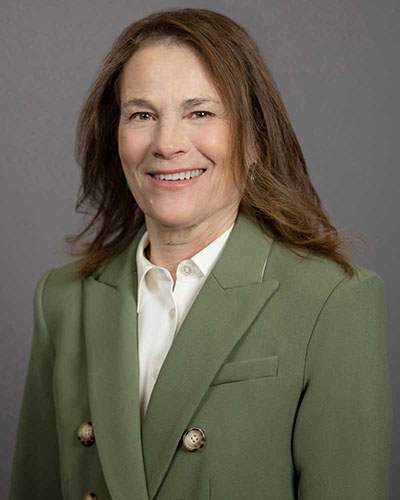 In her seminar and following fireside chat on April 14, Dr. Taub will shed light on the particular research and development hurdles faced by therapeutic developers starting off without “fit-for-purpose” non-invasive biomarkers, emphasizing the need for collaboration across therapeutic/diagnostic sponsors, clinical researchers, and the affected patient community. The need for innovation in data science (analytics, machine learning, responsible re-use of clinical trial data, and integration of real-world data), and multi-modal imaging analysis applied specifically to the chronic liver disease field is paramount.
The story also reflects a broader shift in regulatory science, where alignment on surrogate endpoints, integration of real-world data, and the growing use of patient experience data in benefit–risk assessment are reshaping how therapies for complex chronic diseases are evaluated and approved.
Dr. Rebecca Taub is the Industry Co-Chair of the Liver Forum (part of the Forum for Collaborative Research) at the UC Berkeley School of Public Health.
For more information or to register for the event, visit https://forumresearch.formstack.com/forms/forum_april