Advancing the inclusion of pregnant and lactating populations in HIV PrEP research: ethical, regulatory, and surveillance recommendations from a multisectoral working group
The article, Advancing the inclusion of pregnant and lactating populations in HIV PrEP research: ethical, regulatory, and surveillance recommendations from a multisectoral working group, a perspective from the Forum for Collaborative Research/HIV Forum is now available in Frontiers in Public Health.
In 2024 and 2025 the HIV Forum convened a multisectoral working group across academia, industry, community, government organizations, and regulatory agencies to formulate evidence-based, representative recommendations to advance the inclusion of pregnant and lactating people in HIV PrEP Research. The group identified several major barriers to inclusion, including ethical complexities, limited pre-clinical and clinical safety data, minimal community engagement, regulatory gaps, and weak surveillance capacity. To achieve equitable inclusion the working group highlighted specific recommendations such as establishing standardized digital data systems, implementing regulatory incentives modeled after pediatric research acts, and utilizing regional bodies like the African Medicines Agency to harmonize global regulatory standards. These topics, among others, are further explored in the article.
Thank you to the authors, collaborators, and members of the HIV Forum - Long-acting PrEP during pregnancy and lactation working group, whose active contribution and expertise enable this work.
Read the article in Frontiers in Public Health: https://doi.org/10.3389/fpubh.2026.1811039
Largest Multicenter Study to Date on Refractory HSV in HCT Recipients: Forum Publication in Open Forum Infectious Diseases
Members of the Forum for Collaborative Research’s TAVI (Transplantation Associated Viral Infections) Forum published “Refractory mucocutaneous infections by herpes simplex virus (HSV) in hematopoietic cell transplant recipients: A real-world, multicenter study,” in Open Forum Infectious Diseases (OFID). (June 19, 2026).
Based on a collaboration among investigators across seven U.S. transplant centers, this study draws on real-world clinical data from 125 patients to analyze treatment approaches and outcomes in a population that continues to face significant therapeutic challenges.
Reflecting on the importance of this work, Dr. Camille Kotton, the US Academic TAVI Forum co-chair, said:
“This multicenter study is the largest and most comprehensive investigation to date of refractory mucocutaneous herpes simplex virus (HSV) infection in hematopoietic cell transplant (HCT) recipients. The findings of the analysis of 125 patients highlight the significant challenges of managing refractory HSV with currently available therapies and emphasize the ongoing need for safer and more effective treatment options. Together with recently reported phase 3 data for pritelivir, these results suggest that improved therapeutic options for refractory HSV may soon become available”.
Dr. Per Ljungman, the EU Academic TAVI Forum co-chair, added:
“This work also highlights the value of the TAVI Forum’s collaborative model and the contributions of the HSV Resistance Working Group in bringing together experts across academia, clinical practice, industry, and regulatory perspectives to iteratively identify evidence gaps and advance meaningful work to improve outcomes for transplant recipients.”
Dr. Genovefa (Zenia) Papanicolaou, first author and member of the TAVI Forum Steering Committee, shared an additional perspective on the clinical implications of the findings:
“This multicenter study across seven major transplant centers highlights the real-world challenges of treating refractory HSV in transplant recipients. Current therapies often require prolonged intravenous treatment, are limited by toxicity and poor efficacy, and many patients experience delayed healing or die before infection resolves. These findings underscore the urgent need for safer, effective, well-tolerated oral therapies such as pritelivir.”
Refractory HSV remains an important unmet need in transplant medicine. Existing treatment approaches may require prolonged therapy and can be limited by toxicity and variable effectiveness, underscoring the need for improved management strategies and additional therapeutic options for immunocompromised patients.
The Forum congratulates all authors, collaborators, and members of the TAVI HSV Resistance Working Group whose contributions helped advance this important work.
“This publication reflects the value of sustained cross-stakeholder collaboration to address unmet needs in transplant infectious diseases and to generate evidence to inform future research and clinical care,” added Dr. Veronica Miller, Director of the Forum for Collaborative Research.
Read the publication in Open Forum Infectious Diseases here: Refractory mucocutaneous infections by herpes simplex virus (HSV) in hematopoietic cell transplant recipients: A real-world, multicenter study | Open Forum Infectious Diseases | Oxford Academic
The Journey to Approval for a MASH Treatment: The Resmetirom Story
The approval of Rezdiffra (resmetirom) for the treatment of metabolic dysfunction-associated steatohepatitis (MASH) by the US FDA (accelerated, March 2024) the European Medicines Agency (conditional, November 2025) represents a historic milestone in a field facing considerable challenges in getting drugs approved for a condition affecting an estimated 5% to 7% of the population. MASH is a leading cause of liver cirrhosis and hepato-cellular cancer, with a projected global cost between $1.8 billion (in Germany) and $78.6 billion (in the United States) by 2040. MASH is not a new disease, but its formal recognition, evolving nomenclature, and emergence as a therapeutic target have introduced new complexity in clinical development, regulatory alignment, and diagnostic standardization.
Read more »
Schaefer R, Ayvaz A, Hoffman C, Yann M, Rooney Z, Leus M, Mitra S, Miller V, for the Forum for Collaborative Research CTS 10.1111/cts.70051 https://doi.org/10.1111/cts.70051
 View in browser View in browser
Dr. Robin Schaefer presents on the future of PrEP
Materials
Article
Slides
Introduction
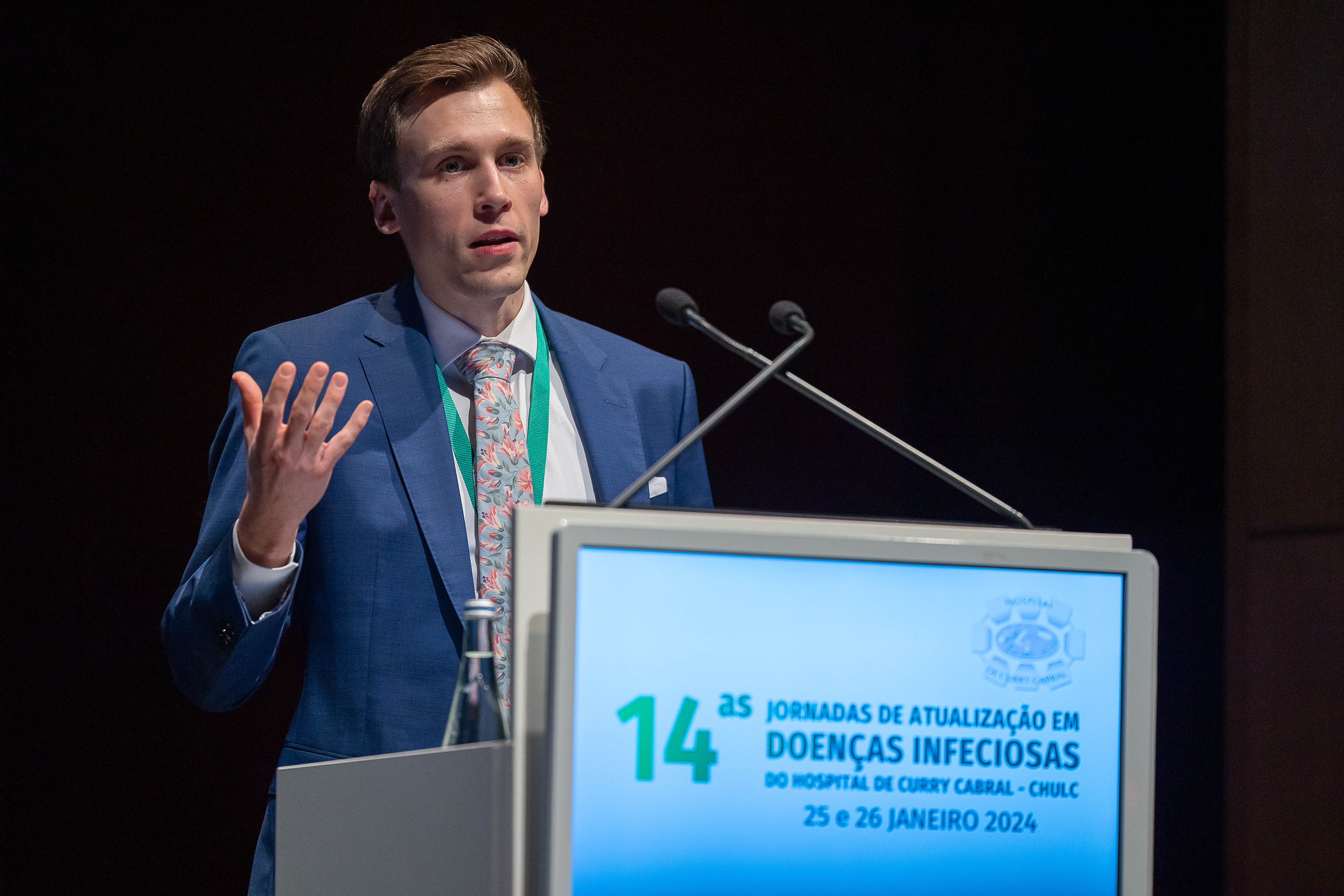
Dr. Robin Schaefer of the Forum for Collaborative Research was invited to speak at the 14th Jornadas de Atualização em Doenças Infeciosas do Hospital de Curry Cabral, the largest conference on infectious diseases in Portugal, with over 600 participants. His talk “The future of pre-exposure prophylaxis (PrEP) for HIV prevention” focused on recent advances in the delivery of PrEP for HIV prevention, new PrEP products, and how to reach global HIV prevention goals. An article summarizing the presentation was published in the conference proceedings and is reprinted below.
The future of pre-exposure prophylaxis (PrEP) for HIV prevention
Globally, numbers of new HIV infections remain unacceptably high. There has been significant progress in reducing HIV incidence in some regions, notably in eastern and southern Africa, where there are the largest numbers of new infections; however, in other regions, epidemics have been stable or increasing.
Pre-exposure prophylaxis (PrEP) is the use of antiretroviral drugs by HIV-negative people to reduce their risk of HIV infection. It is a vital tool in efforts to combat HIV epidemics. The first PrEP product, an oral pill, was approved by the US Federal Drug Administration in 2012 and recommended by the World Health Organization (WHO) for all people at substantial risk of HIV in 2015. At the time of the WHO recommendation, PrEP use was nearly fully limited to the US. Since then, there has been a global increase in PrEP use, and, in 2022, there were an estimated 2.5 million people who used PrEP at least once. Despite this considerable increase in PrEP use, further growth is needed to meet the global target of 10 million PrEP users by the end of 2025.
PrEP is increasingly delivered through differentiated services, a trend accelerated by the COVID-19 pandemic, which often required service adaptations such as providing PrEP outside of healthcare facilities. Building on this experience, WHO published guidance to support differentiated PrEP services, defined as person- and community-centred approaches that adapt services to the needs and preferences of the people who are interested and could benefit from PrEP. Such adaptations can make services more acceptable and accessible and thus support uptake, persistence, and effective use. Examples of service adaptations include community-, pharmacy-, and home-based PrEP delivery (“where” to provide services), multi-month dispensing to reduce follow-up visits (“when”), integrated services (“what”), and task sharing with various health worker cadres and lay providers (“who”).
In addition to changing service delivery, another axis of differentiated PrEP is to allow for choice between PrEP products so that clients can choose the product that best suit their needs and preferences. Indeed, more PrEP products are becoming available. In addition to oral PrEP, WHO now recommends offering a vaginal PrEP ring and a two-monthly injection. More products are being investigated, including a six-monthly injection, which is evaluated in phase 3 clinical trials, and multipurpose prevention technologies (MPTs) that commonly combine contraception with an HIV prevention drug.
While the pipeline of new biomedical HIV prevention products is exciting, there are cross-cutting challenges. This includes how to demonstrate efficacy as placebo-controlled trials are no longer ethical, how to collect sufficient safety data, for instance for use of these products during pregnancy, and how to ensure efficient regulatory approval and product introduction. To address these cutting-edge scientific and regulatory questions through consensus-building, the Forum for Collaborative Research, a public-private partnership based at the University of California, Berkeley, has formed multiple working groups consisting of experts and representatives from regulatory agencies, industry, community, and normative bodies.
Differentiating PrEP situates PrEP services within the broader Political Declaration on HIV and AIDS, adopted by the United Nations General Assembly in 2020, which calls for person-centred HIV prevention approaches. Adapting services and offering choice is not just “nice-to-have”; it is necessary to ensure equitable access to PrEP and support effective use. Differentiated PrEP is the future of PrEP – it has to be to achieve global goals and combat the HIV epidemic globally.
Advancing Therapeutic Development for COVID-19 Treatment: Part One
Click here for more information
Washington DC, November 2, 2023 -- The Forum for Collaborative Research is hosting its first open, public meeting on COVID-19 therapeutic drug research, with regulatory agency participation.
2022 Year in Review: Cheers and Happy Holidays from The Forum!
|
|
|
|
|
Forum for Collaborative Research
HBV | HIV | Liver | PSC | Rare Diseases | TAVI-CMV | Ocular Diseases | Data & Analysis Center
Dear Forum Stakeholders,
2022 was a year of remarkable growth for the Forum. Truly a special year because we were able to convene many of our projects in-person. As we get ready to welcome 2023, we want to pause and share some highlights of 2022:
New Team Members:

Chris Hoffman, PhD
IT and Operational Director |

Logan Donaldson, MPH
Research Associate |

Sehyr Khan, BA
Research Associate |

Mitchell Leus, MPH
Research Associate |

Shilpa Mitra, MPH
Research Associate |

Zach Rooney, MSCS
Research Associate |

Alicia Jellinek
Program Financial Analyst |

Nayri Alajaji
Graduate Student
Researcher |

Mayland Treat
Graduate Student
Researcher |
HIV Forum Research Grants and Gifts:
-
Gilead Sciences, Inc.: $1,638,338 to help accelerate HIV PrEP research by strengthening counterfactual incidence estimates using a collaborative approach to combine data from multiple sources, informing future trials and bolstering current ones, while simultaneously leading conversations in responsible and ethical use of trial data and its future implications.
Publications:
Association between rectal gonorrhoea and HIV incidence in men who have sex with men: a meta-analysis. Sexually Transmitted Infections. December 2021
Consensus Definitions of BK Polyomavirus Nephropathy in Renal Transplant Recipients for Clinical Trials. Clinical Infectious Diseases. February 2022.
Application of Bayesian methods to accelerate rare disease drug development: scopes and hurdles. Orphanet Journal of Rare Diseases. May 2022.
Immunological biomarker discovery in cure regimens for chronic hepatitis B virus infection. Journal of Hepatology. August 2022.
A systematic review of limiting antigen avidity enzyme immunoassay for detection of recent HIV-1 infection to expand supported applications. Journal of Virus Eradication. September 2022.
Nomenclature of HBV core protein-targeting antivirals. Nature Reviews Gastroenterology & Hepatology. October 2022.
Facilitating next-generation pre-exposure prophylaxis (PrEP) clinical trials using HIV recent infection assays: a consensus statement from the Forum HIV Prevention Trial Design Project. Clinical Pharmacology & Therapeutics. Accepted, in print.
Projects Launched:
Data & Analysis Center: to serve the needs of stakeholders in advancing data science for drug development, thus serving patients most of all.
Ocular Diseases Forum: to advance the regulatory sciences for the treatment of inherited retinal diseases and macular degeneration. Co-chaired by Jim Wang and Claire M. Gelfman.
Towards Accelerating Strategies for Hepatitis B Elimination: Increasing Vaccination Among Adults in High-Impact Settings Symposium: as part of the Forum’s Policy Series, a symposium for strengthening implementation of adult hepatitis B vaccination was convened on November 1, 2022 in Atlanta, GA. The symposium convened clinicians, industry, health departments, viral hepatitis programming agencies, harm reduction coalitions, and community-based organizations to facilitate dialogue aimed at producing strategies for implementing universal hepatitis B vaccination among US adults aged 19 to 59, in support of April 2022 guidance by the Advisory Committee on Immunization Practices (ACIP). An output of this meeting will be a special issue in the Journal of Virus Eradication.
Expanding Inclusion for Long-Acting HIV Treatment Trials: this meeting convened on November 10th, 2022 in Washington DC discussed the need for approaches to and regulatory considerations for expanding inclusion of patients who will benefit most from LA treatment options. The Forum brought together stakeholders from the US FDA’s Division of Antivirals, NIH Office of AIDS Research, NIH National Institute of Drug Abuse, NIH National Institute of Mental Health, AIDS Clinical Trial Group (ACTG), Merck, ViiV, Gilead, among other academic institutions and patient advocate groups. Outputs of this meeting include a series of recommendations to be released in 2023.
Meetings Convened:
HBV Therapeutic Vaccines Webinar: January 18, 2022
Liver Forum 12: Washington, DC on April 22-23, 2022
HBV Forum 8: London, England on June 21, 2022
AIDS 2022 Satellite Symposium Next Generation PrEP - Science, Policy, Community Impact: Montreal, QC on July 29, 2022
Liver Forum 13: Paris, France on September 7, 2022
TAVI Forum 7: Washington, DC on October 19, 2022
HBV Forum 9: Washington, DC on November 3, 2022
PSC Forum 4: Washington, DC on November 8, 2022
Expanding Inclusion for Long-Acting HIV Treatment Trials Workshop : Washington, DC on November 10, 2022
Forum on the Integration of Observational and Randomized Data (FIORD) Workshop: Washington, DC on November 17-18, 2022
The Forum thanks you for fruitful collaborations in 2022.
We wish you a happy and healthy holiday season!
|
|
|
|
|
|
The Use of External Controls in FDA Regulatory Decision Making
Washington DC, June 21, 2021 – The Forum for Collaborative Research announced the publication of “The Use of External Controls in FDA Regulatory Decision Making” in Therapeutic Innovation & Regulatory Science. This review describes the circumstances for approval of 45 products based on pivotal studies leveraging external controls, with retrospective natural history studies as the most common source of control data.
Read more »
Brenda E. Rodriguez, MBA, MS, joins the Forum for Collaborative Research as Deputy Director
Washington DC, May 25, 2021 - We are delighted to announce that Brenda E. Rodriguez has joined the Forum for Collaborative Research, a program at UC Berkeley School of Public Health, as Deputy Director. Brenda comes with significant experience in global health, health sciences, higher education, and business administration. She will play a pivotal role in new Forum initiatives such as the Forum’s Collaborative Data Center at Berkeley Public Health and increasing the reach of our educational and training programs across Berkeley Campus, the US and internationally.
Read more »
Hep B Foundation, Hep B United and the HBV Forum to honor Corrina Dan, former HHS official
Washington DC, December 1, 2020 – The Hep B Foundation, Hep B United and the HBV Forum are pleased to name Corrina Dan, RN, MPH, as the 2020 recipient of the Hepatitis B Federal Champion Award for her commitment to eliminating hepatitis B. Ms. Dan will receive the award at the Hep B United Virtual Summit on December 4th.
Read more »
|
|
.png)